In the annals of gaming history, few stories are as frustrating as that of a console desperately waiting for its killer app, only for its manufacturer to completely fumble the distribution when that game finally arrives. This is precisely what happened with the SEGA Saturn and its crown jewel, Panzer Dragoon Saga. A game that critics universally praised, scoring an exceptional 19/20 in numerous publications, became one of the rarest and most sought-after titles in gaming history—not because of demand exceeding supply, but because SEGA simply gave up on its own console at the worst possible moment.
The Rise and Fall of the SEGA Saturn
The SEGA Saturn launched in 1994 in Japan and 1995 in North America and Europe, entering a fierce battle against Sony’s PlayStation and later the Nintendo 64. Despite being a technically capable machine with impressive 2D capabilities, the Saturn struggled in Western markets. Its complex architecture made development challenging, and SEGA’s infamous surprise early launch in North America alienated retailers and developers alike. By 1998, the console was on life support in Europe and North America, with SEGA already shifting focus to its next project, the Dreamcast. Sales figures tell a grim story: while the Saturn moved approximately 9.5 million units worldwide, it was vastly overshadowed by the PlayStation’s eventual 102 million units sold.
The Saturn’s library, however, contained genuine masterpieces that deserved far better fates. SEGA’s internal teams, particularly Team Andromeda, continued producing exceptional content even as the corporate leadership had mentally moved on. This disconnect between creative excellence and business strategy would result in one of gaming’s greatest tragedies—the criminally limited release of Panzer Dragoon Saga.
Panzer Dragoon Saga: A Masterpiece Abandoned
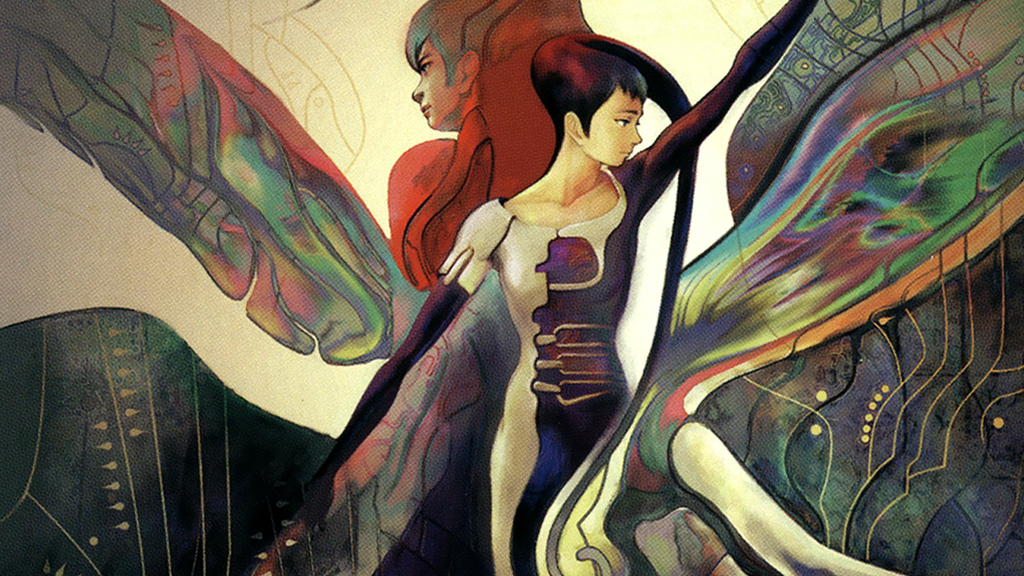
Panzer Dragoon Saga, known as Azel: Panzer Dragoon RPG in Japan, represented the culmination of Team Andromeda’s vision. Released in 1998, this role-playing game expanded upon the rail-shooter mechanics of its predecessors, creating a unique combat system that blended real-time positioning with strategic command selection. Players controlled Edge, a young mercenary who bonds with a powerful dragon, embarking on an epic journey through a post-apocalyptic world filled with ancient technology and mysterious ruins. Critics were unanimous in their praise: the game featured stunning graphics, an emotionally resonant story, innovative gameplay, and one of the most atmospheric soundtracks of the 32-bit era.
The problem wasn’t the game’s quality—it was SEGA’s complete lack of faith in their own dying console. With the Dreamcast launch imminent, SEGA’s European division made a catastrophic decision that would haunt collectors for decades: they produced only approximately 1,000 copies of Panzer Dragoon Saga for the entire European market. This wasn’t a miscalculation based on demand projections; it was essentially corporate surrender. SEGA had stopped believing in the Saturn and saw no reason to invest in proper distribution for even their most acclaimed title.
The Consequences of Corporate Neglect
The ramifications of this decision have echoed through gaming history for over 25 years. Today, a complete European copy of Panzer Dragoon Saga routinely sells for over €1,000, with pristine examples fetching several thousand euros. North American copies, while slightly more common with an estimated 20,000-30,000 units produced, still command prices between $400-$800. Japanese copies remain the most accessible, but even these regularly exceed $200. For a game that critics consider one of the greatest RPGs ever made, this artificial scarcity represents a profound failure to preserve gaming heritage.
What makes this situation even more frustrating is SEGA’s apparent inability or unwillingness to re-release the game. Unlike many Saturn titles that have found new life through remasters or digital distribution, Panzer Dragoon Saga remains trapped in its original format. SEGA has cited lost source code as a barrier to re-release, though this claim has been disputed by former developers. Whatever the truth, an entire generation of gamers has been denied access to this masterpiece, either through legitimate purchase or official digital channels.
A Cautionary Tale for the Industry
The Panzer Dragoon Saga debacle serves as a stark reminder of how corporate decisions can erase cultural artifacts. SEGA’s treatment of this game wasn’t an apology to players—it was an abandonment. While the company has since shown renewed interest in the franchise, with Panzer Dragoon Remake launching in 2020, the flagship RPG remains inaccessible to most fans. The gaming industry continues to grapple with preservation issues, and stories like this highlight why initiatives to maintain gaming history matter. Until SEGA finally addresses this gap in their catalog, Panzer Dragoon Saga will remain a bittersweet legend—proof that even the greatest games can fall victim to the worst business decisions.
Expert Opinion: The Panzer Dragoon Saga situation exemplifies a broader industry problem where short-term corporate thinking permanently damages gaming heritage. SEGA’s reluctance to invest in a proper re-release, despite proven demand and modern emulation capabilities, suggests internal complications beyond simple business calculations. Industry analysts predict that rising retro gaming prices and increased focus on preservation may eventually pressure SEGA into action, potentially through a ground-up remake similar to their recent Panzer Dragoon project, though fans should temper expectations given the company’s 25-year silence on the matter.