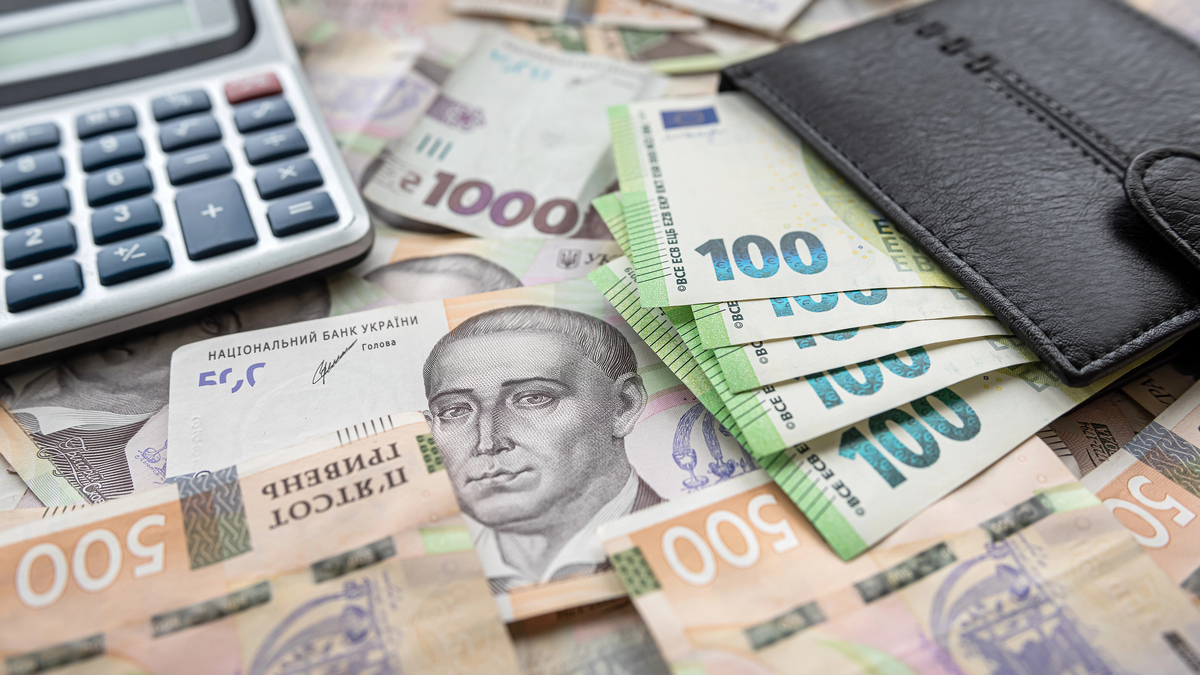
Ukraine will celebrate its Independence Day on August 24th with the official euro exchange rate reaching an unprecedented 52.25 UAH/EUR, marking the second consecutive day of historic records for the European currency against the Ukrainian hryvnia. This milestone reflects the ongoing economic pressures facing Ukraine as it continues to navigate through challenging times while preparing for one of its most significant national holidays.
Understanding the Currency Dynamics
The continuous rise of the euro against the hryvnia represents a significant shift in Ukraine’s currency landscape. The National Bank of Ukraine, which sets official exchange rates daily, has been carefully managing the country’s monetary policy amid extraordinary circumstances. The weakening of the hryvnia against major world currencies has been a gradual process, influenced by multiple economic factors including inflation pressures, trade balance considerations, and the overall macroeconomic environment.
Currency experts have noted that the euro’s strength against the hryvnia is part of a broader trend affecting emerging market currencies globally. The European Central Bank’s monetary policies, combined with Ukraine’s domestic economic challenges, have contributed to this widening gap. For ordinary Ukrainians, this means increased costs for imported goods from European Union countries and higher expenses for those traveling abroad or sending money to family members in Europe.
Economic Impact on Daily Life
The historic exchange rate has practical implications for millions of Ukrainian citizens. Import-dependent sectors, including electronics, automotive parts, and certain food products, may see price increases as businesses adjust to the new currency reality. Many Ukrainian businesses that rely on European suppliers are now facing higher costs for raw materials and finished goods, which could eventually translate to higher consumer prices across various market segments.
Financial analysts point out that the exchange rate movement also affects Ukraine’s external debt obligations and the purchasing power of Ukrainian workers abroad. Remittances from Ukrainians working in EU countries, which constitute a significant portion of foreign currency inflows, become more valuable in hryvnia terms, providing some relief to recipient families. However, this silver lining is offset by the overall increase in the cost of living for those who depend on imported products or services priced in foreign currencies.
Historical Context and Future Outlook
Looking at historical trends, the hryvnia has experienced several periods of significant depreciation since Ukraine gained independence in 1991. The currency has weathered multiple economic crises, including the 2008 global financial crisis and subsequent domestic challenges. Each period of currency weakness has required careful policy responses from the National Bank of Ukraine to maintain financial stability while supporting economic recovery.
As Ukraine prepares to celebrate its Independence Day, the symbolic timing of this exchange rate record is not lost on economic observers. The holiday, which commemorates Ukraine’s declaration of independence from the Soviet Union on August 24, 1991, comes at a time when the nation faces unprecedented economic pressures. Despite these challenges, Ukrainian financial authorities continue to work on stabilizing the economy and maintaining confidence in the national currency through various monetary policy tools and international cooperation with financial institutions.
Expert Opinion: The continued weakening of the hryvnia against the euro suggests that Ukraine’s central bank may need to consider additional intervention measures to prevent runaway depreciation. Market analysts anticipate that the exchange rate could stabilize in the coming months as international financial support flows increase and seasonal factors affecting trade balance normalize. However, the trajectory will largely depend on broader geopolitical developments and the pace of economic reforms.