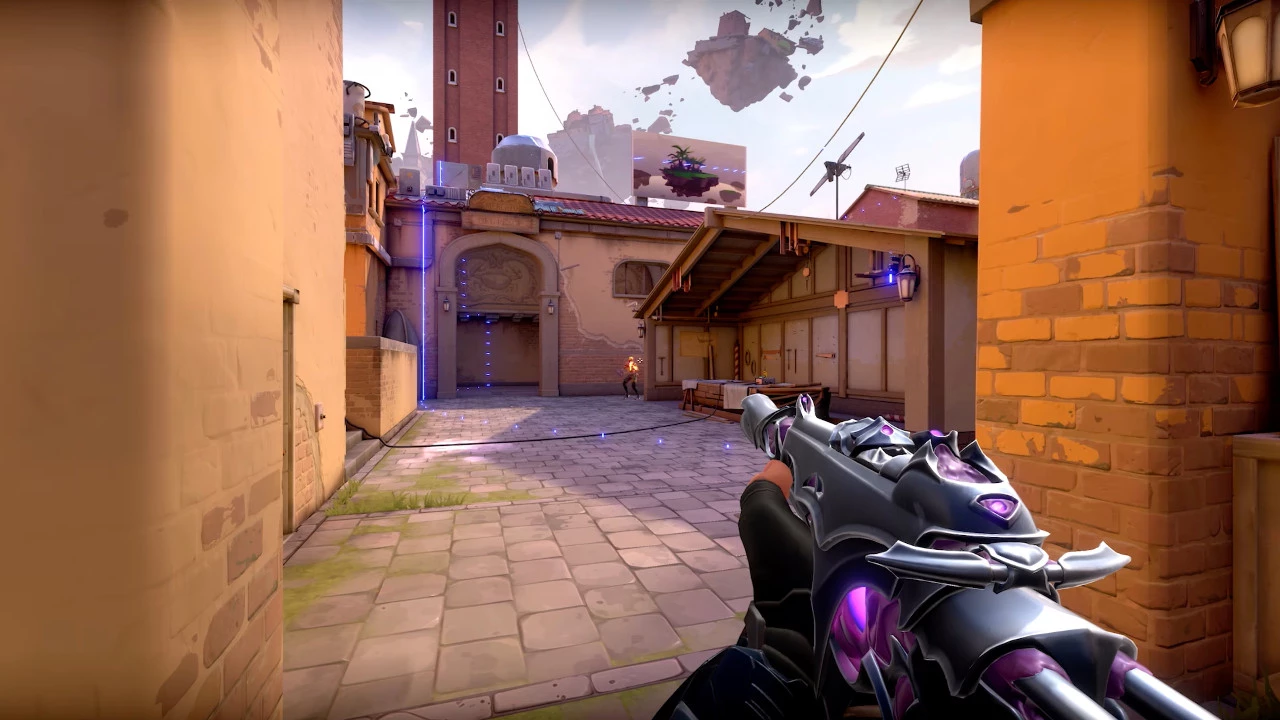

Riot Games, the developer behind some of the most popular competitive games in the world, has found itself at the center of a growing controversy following the implementation of a new parental control system in League of Legends and Valorant. What was initially designed as a protective measure for younger players has spiraled into a widespread technical nightmare, with adult users across the globe reporting that essential game features have been inexplicably restricted on their accounts. The situation has sparked intense criticism from the gaming community and raised serious questions about how major developers handle age verification and account management systems.
The new parental control features were introduced as part of Riot’s broader commitment to player safety and responsible gaming practices. These controls allow parents to limit chat functionality, restrict friend list access, and manage gameplay time for underage users. However, the rollout has been plagued by what appears to be a systemic error in age verification, causing the restrictions to be automatically applied to accounts belonging to players who are clearly adults. Many longtime players, some with accounts dating back over a decade, suddenly found themselves unable to communicate with teammates or add new friends—core features essential to the multiplayer experience.
The Technical Breakdown and Player Frustration
Reports began flooding social media platforms and Riot’s official forums within hours of the system’s implementation. Players described logging into their accounts only to discover that chat functions were disabled and their ability to interact with the game’s social features had been severely curtailed. For competitive players, particularly those engaged in ranked matches where team coordination is crucial, these restrictions effectively rendered the games unplayable at a meaningful level. The irony was not lost on the community: a feature designed to make games safer for children was instead punishing adults who had been loyal customers for years.
The root cause appears to lie in how Riot’s system determines user age. Many accounts created years ago did not require precise birthdate information, or players may have entered placeholder dates without realizing the long-term implications. When the new parental control system was activated, it apparently defaulted to treating accounts with incomplete or suspicious age data as belonging to minors. This heavy-handed approach, while perhaps well-intentioned from a child safety perspective, failed to account for the reality that millions of legitimate adult accounts would be caught in the crossfire.
Industry Context and the Challenge of Age Verification
This incident highlights a broader challenge facing the gaming industry: how to effectively protect young players without alienating or inconveniencing adult users. Age verification in online spaces has long been a contentious issue, with regulators worldwide pushing for stronger protections while privacy advocates warn about the risks of collecting sensitive personal data. Riot Games is far from the first company to struggle with this balance. In recent years, platforms ranging from YouTube to TikTok have faced similar criticisms when safety features designed for children inadvertently affected adult users.
The gaming industry has seen increased regulatory pressure, particularly in regions like the European Union and parts of Asia, where governments have implemented strict rules regarding minors’ access to online games. China’s infamous gaming curfew for minors and South Korea’s shutdown law are examples of how seriously some jurisdictions take the issue. Against this backdrop, companies like Riot are walking a tightrope, trying to demonstrate proactive compliance while maintaining the seamless experience that players expect. When these efforts backfire, as they have in this case, the reputational damage can be significant.
Riot’s Response and the Path Forward
As of this writing, Riot Games has acknowledged the issue and stated that teams are working to resolve the erroneous restrictions. The company has encouraged affected players to verify their account information and submit support tickets if their age data is incorrect. However, many users have expressed frustration with the support process, describing long wait times and unclear instructions. For a company that prides itself on community engagement and responsive development, the handling of this situation has been a rare stumble.
The incident serves as a cautionary tale for the entire industry about the importance of thorough testing and clear communication before rolling out systems that affect core user functionality. While protecting young players must remain a priority, developers must ensure that their solutions do not create new problems for the majority of their player base. As League of Legends approaches its sixteenth year and Valorant continues its meteoric rise in the competitive shooter space, Riot will need to rebuild trust with a community that now questions whether the company truly understands its audience.
Expert Opinion: This incident underscores a fundamental tension in modern game development between regulatory compliance and user experience. Moving forward, we can expect Riot and other major publishers to invest more heavily in granular age verification systems that don’t rely on blanket assumptions. The key lesson here is that safety features must be implemented with surgical precision—broad strokes may protect some users but will inevitably alienate others, and in the competitive gaming market, player trust is not easily regained.