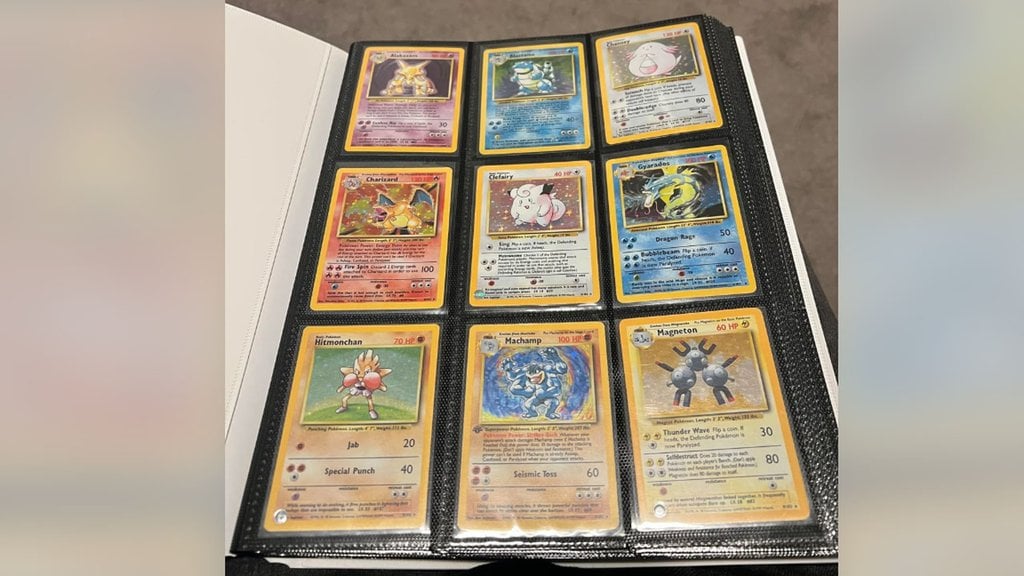
For eighteen grueling months, one dedicated gamer poured every ounce of his free time into bringing a dream shared by millions of Pokémon fans to life — a dream that Nintendo and Game Freak have never fulfilled. What started as a passion project driven by pure love for the franchise gradually transformed into an all-consuming endeavor that would push him to the absolute limits of his physical and mental endurance. Now, as his creation finally nears completion, the developer finds himself utterly exhausted and questioning whether the sacrifice was truly worth it.
The anonymous developer, who has chosen to remain unnamed to avoid potential legal complications with Nintendo, embarked on this ambitious journey with stars in his eyes and boundless enthusiasm. Working approximately twelve hours daily while juggling his regular job, he dedicated every evening, weekend, and holiday to coding, designing, and testing his fan-made Pokémon game. The project aimed to deliver something the official games have never offered — a fully open-world experience combining multiple regions with enhanced graphics and gameplay mechanics that fans have requested for decades.
The Hidden Cost of Fan-Made Dreams
The phenomenon of fan-made Pokémon games is nothing new in the gaming community. Projects like Pokémon Uranium, Pokémon Insurgence, and countless ROM hacks have emerged over the years, often delivering experiences that rival or even surpass official releases in creativity and scope. However, these projects frequently come with significant personal costs that are rarely discussed. Solo developers often underestimate the sheer magnitude of work required to create a polished gaming experience, leading to burnout, abandoned projects, and in some cases, serious health consequences.
Industry experts estimate that creating even a modest role-playing game requires between 10,000 to 50,000 hours of development time when accounting for programming, art design, music composition, testing, and debugging. For a single person working alone, this translates to years of dedicated effort. The developer in question reportedly completed most of the work himself, handling everything from sprite design to battle system programming, a task that professional studios assign to teams of dozens or even hundreds of specialists.
Nintendo’s Complicated Relationship with Fan Projects
The situation becomes even more precarious when considering Nintendo’s historically aggressive stance toward fan-made content. The Japanese gaming giant has issued countless cease-and-desist orders over the years, shutting down beloved projects sometimes mere days before their planned releases. The most infamous case remains Pokémon Uranium, which was downloaded over 1.5 million times before its creators were forced to halt distribution following Nintendo’s legal pressure in 2016. This constant threat of legal action adds an additional layer of stress to fan developers, who must work in relative secrecy while knowing their years of effort could be erased with a single corporate email.
Despite these risks, the Pokémon fan development community remains remarkably resilient. The franchise, which has generated over $100 billion in revenue since its 1996 debut, inspires such passionate devotion that fans continue creating unauthorized content regardless of consequences. Many argue that these fan projects fill gaps left by Game Freak’s increasingly conservative approach to the mainline series, offering features like difficulty modes, expanded storylines, and regional combinations that official releases consistently ignore.
When Passion Becomes Prison
As this developer’s project finally approaches its release date, his social media posts reveal a man fundamentally changed by the experience. He describes losing contact with friends, neglecting his health, and experiencing what he calls “creative death” — a state where the joy of creation has been completely replaced by obligation and exhaustion. His story serves as a cautionary tale for aspiring indie developers everywhere, highlighting the importance of sustainable work practices, realistic scope management, and the recognition that no game, no matter how beloved the source material, is worth sacrificing one’s wellbeing.
The gaming community has responded with mixed emotions to his revelations. While many express gratitude for his dedication and eagerly await the final product, others have urged him to prioritize his recovery over any future updates or support. His experience underscores a broader conversation about crunch culture in game development, a problem that affects not only independent creators but also employees at major studios worldwide who regularly work excessive hours to meet demanding release schedules.
Expert Opinion: This case exemplifies a growing crisis in independent game development where passion projects become unsustainable labor traps. Industry analysts predict we will see increasing burnout rates among solo developers as tools become more accessible but expectations continue rising. The key lesson here is that sustainable development practices and proper scope management must become priorities from day one — no creative vision is worth permanent physical or psychological damage.