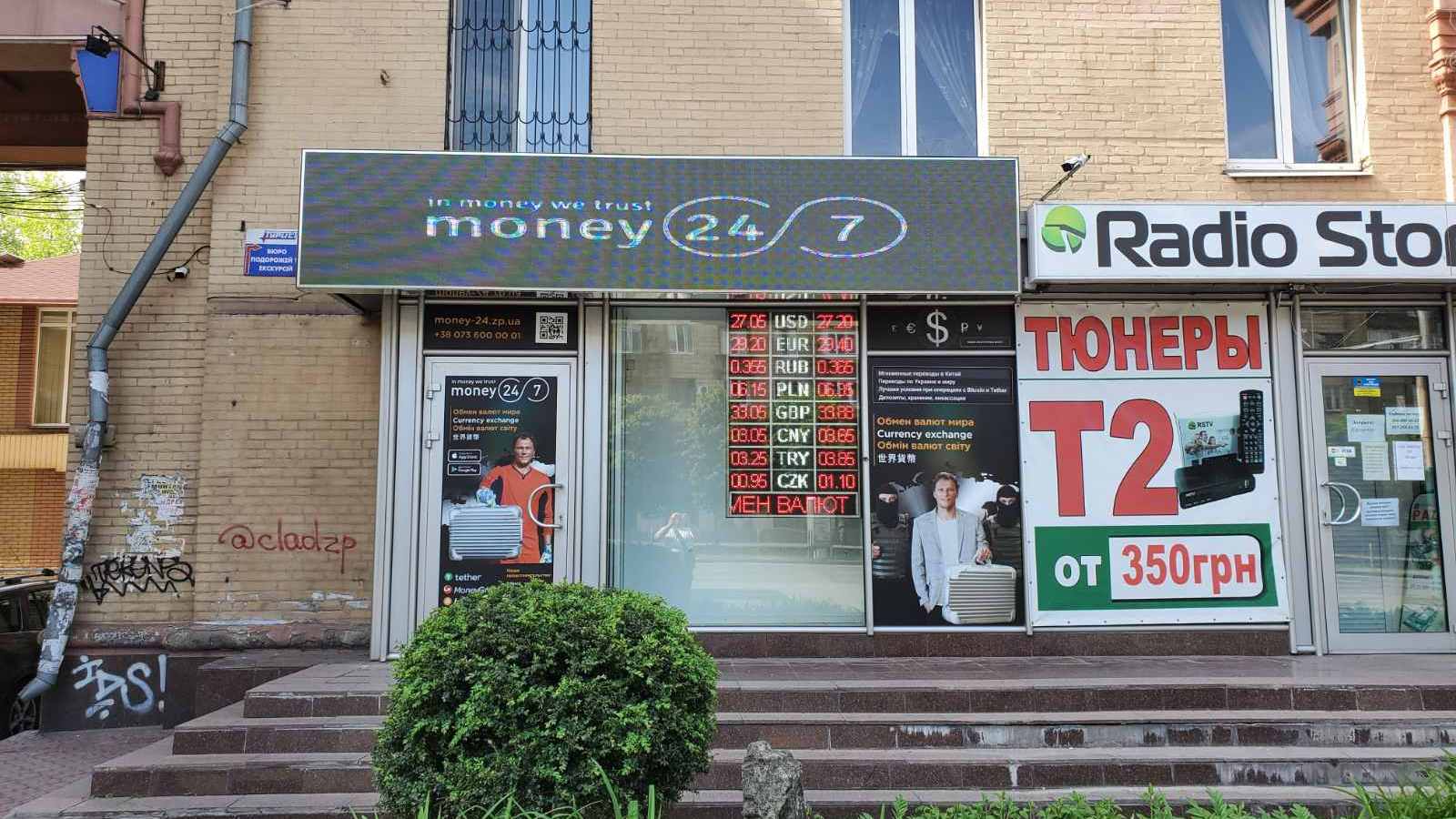
The National Bank of Ukraine (NBU) has officially prohibited the operations of Money 24/7, a group of interconnected companies that had been conducting currency exchange and money transfer services without the required financial licenses. This decisive regulatory action highlights the central bank’s ongoing commitment to maintaining the integrity of Ukraine’s financial system and protecting consumers from unauthorized financial operators. The crackdown comes as Ukrainian authorities intensify their efforts to regulate the shadow financial sector amid wartime economic challenges.
The Money 24/7 network had established a significant presence in the Ukrainian market, offering services that typically require strict regulatory oversight and licensing from the National Bank. Currency exchange operations and money transfer services are among the most heavily regulated financial activities in Ukraine, requiring operators to obtain specific licenses, maintain adequate capital reserves, and comply with anti-money laundering regulations. The companies within this network allegedly bypassed all these requirements while presenting themselves as legitimate financial service providers to unsuspecting customers.
Regulatory Framework and Licensing Requirements
In Ukraine, all entities engaged in currency exchange and money transfer operations must obtain appropriate licenses from the National Bank of Ukraine. This regulatory framework was established to ensure financial stability, prevent money laundering, and protect consumers from fraudulent schemes. Licensed operators are required to maintain transparent records, report suspicious transactions, and adhere to strict capital adequacy requirements. The NBU has the authority to conduct inspections, impose penalties, and revoke licenses when operators fail to meet regulatory standards.
The licensing process in Ukraine involves rigorous background checks on company owners and management, verification of capital sources, and ongoing compliance monitoring. These measures became even more critical following Ukraine’s adoption of enhanced anti-money laundering legislation aligned with European Union standards and Financial Action Task Force (FATF) recommendations. Unlicensed operators like Money 24/7 pose significant risks to the financial system by potentially facilitating money laundering, tax evasion, and other financial crimes.
Impact on Consumers and Market Integrity
The prohibition of Money 24/7’s operations raises important questions about consumer protection and the recovery of funds for individuals who may have used these services. Customers who conducted transactions through unlicensed financial operators typically have limited legal recourse if disputes arise or if funds are lost. The NBU has consistently warned Ukrainian citizens to verify the licensing status of any financial service provider before conducting transactions, particularly for currency exchange and international money transfers.
This enforcement action is part of a broader pattern of regulatory crackdowns on unauthorized financial operations in Ukraine. Over the past several years, the NBU has shut down numerous unlicensed currency exchange points and money transfer services, particularly those operating in gray market zones. The wartime economy has created additional urgency for such enforcement, as the government seeks to maintain control over currency flows and prevent capital flight during a period of national crisis. Financial experts estimate that unlicensed currency exchange operations in Ukraine previously handled billions of hryvnias annually, depriving the state of tax revenue and undermining monetary policy effectiveness.
Broader Implications for Ukraine’s Financial Sector
The action against Money 24/7 sends a clear message to other potential violators operating in Ukraine’s financial services sector. The NBU has demonstrated its willingness to take decisive enforcement action, even against networks with established market presence. This approach aligns with Ukraine’s broader reform agenda, which includes strengthening financial sector governance as part of the country’s European integration aspirations. As Ukraine continues to pursue EU membership, regulatory alignment with European financial standards remains a key priority, making enforcement against unlicensed operators increasingly important.
Market analysts note that legitimate financial service providers generally welcome such enforcement actions, as they help level the playing field and eliminate unfair competition from operators who avoid compliance costs. The elimination of unlicensed competitors can ultimately strengthen the formal financial sector and increase consumer confidence in regulated institutions. However, authorities must also address the underlying demand that drives consumers toward informal financial services, which often includes factors such as convenience, lower fees, and perceived privacy.
Expert Opinion: This regulatory action reflects the NBU’s strategic priority of consolidating control over Ukraine’s financial infrastructure during a critical period. As the country navigates wartime economic pressures while pursuing European integration, we can expect increasingly aggressive enforcement against shadow financial operators. The long-term trajectory suggests Ukraine will achieve greater alignment with EU financial regulatory standards, though the transition period may create short-term disruptions for consumers accustomed to informal financial services.