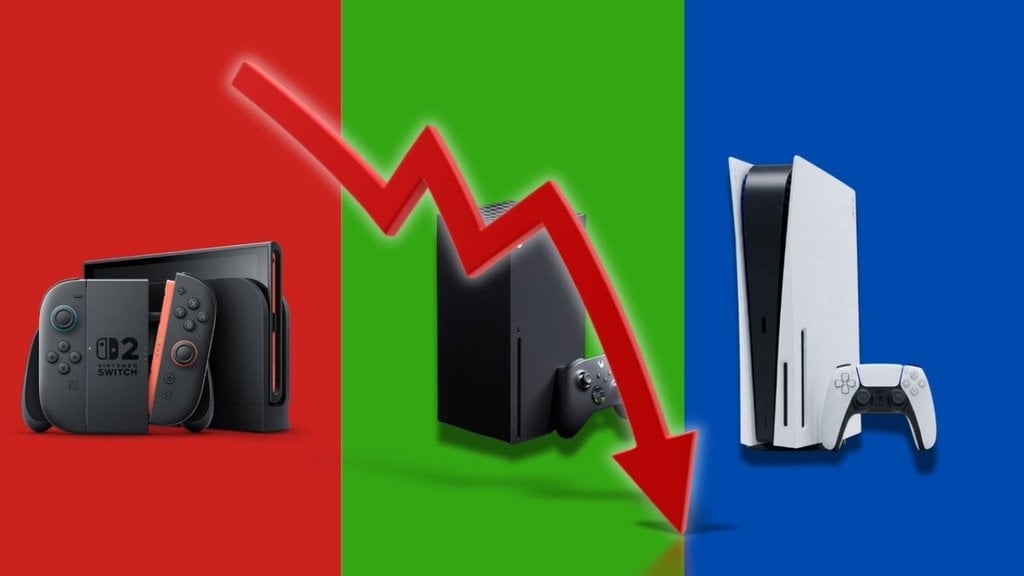
The American video game industry has just endured an exceptionally dark July, recording its worst revenue decline in four years. The market is paying a heavy price for the absence of major blockbuster releases and increasing consumer hesitation. According to industry analysts, this downturn reflects broader structural challenges facing the gaming sector, raising concerns about the health of one of entertainment’s most lucrative markets.
The dramatic slump comes as a stark reminder of the industry’s vulnerability to content cycles and economic pressures. After years of pandemic-fueled growth that saw gaming revenues soar to unprecedented heights, the sector now faces a sobering correction. Industry tracking firm Circana reported that total spending across video game hardware, software, and accessories fell significantly compared to the same period last year, marking the most substantial monthly decline since the early months of 2020.
The Blockbuster Drought and Its Consequences
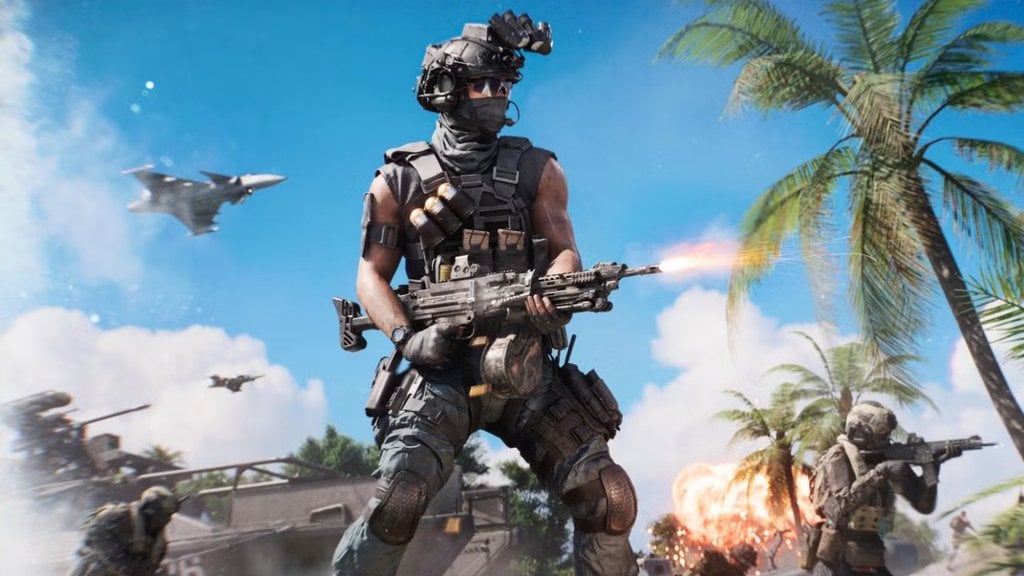
At the heart of this crisis lies a conspicuous absence of major AAA titles. Unlike previous summers that saw the release of highly anticipated games driving consumer spending, July 2024 offered little to excite gamers. The lack of system-selling exclusives and franchise installments has left retailers struggling and publishers watching revenues evaporate. This drought stands in sharp contrast to previous years when titles from established franchises would reliably generate billions in sales within their first weeks.
The gaming industry has historically depended on tent-pole releases to drive quarterly performance. Major franchises like Call of Duty, Grand Theft Auto, and The Legend of Zelda have traditionally served as economic engines, pushing hardware sales and bringing casual gamers back into the fold. Without these marquee titles, even dedicated gaming enthusiasts have shown reluctance to open their wallets, preferring to wait for more compelling releases later in the year.
Consumer Behavior Shifts and Economic Pressures
Beyond the software drought, consumer behavior has undergone a notable transformation. Inflationary pressures and economic uncertainty have made gamers increasingly selective about their purchases. The era of impulse buying appears to be waning, replaced by a more calculated approach where consumers research extensively and wait for sales or price drops before committing. This “wait-and-see” mentality has particularly impacted mid-tier releases that might have previously enjoyed modest success.
The subscription model revolution has also reshaped spending patterns. Services like Xbox Game Pass, PlayStation Plus, and EA Play have conditioned consumers to expect access to large game libraries for fixed monthly fees. While these services generate steady recurring revenue for platform holders, they may be cannibalizing traditional game sales as players increasingly question the value of purchasing individual titles at full price.
Industry-Wide Implications and the Road Ahead
The July collapse arrives amid a broader industry reckoning. Over the past eighteen months, the gaming sector has witnessed unprecedented waves of layoffs, with major publishers including Microsoft, Sony, and Electronic Arts cutting thousands of positions. Studio closures have become alarmingly common, and even successful teams have found themselves victims of corporate restructuring. This contraction follows the unsustainable expansion during the COVID-19 pandemic when gaming companies hired aggressively to meet surging demand.
Looking ahead, industry observers suggest the remainder of 2024 could provide some relief. Several major releases are scheduled for the fall season, traditionally the industry’s strongest period. However, the fundamental challenges facing the sector—rising development costs, extended production timelines, and shifting consumer expectations—will require more than a few successful launches to resolve. Publishers are increasingly exploring alternative revenue models, live-service games, and mobile platforms to diversify their income streams and reduce dependence on the traditional release calendar.
Expert Opinion: This historic July decline signals more than a temporary content gap—it represents a fundamental recalibration of the gaming market following years of artificial pandemic-driven growth. Industry observers anticipate continued volatility through 2024-2025 as publishers adjust to new consumer behaviors and economic realities. The companies that successfully pivot toward hybrid monetization models while maintaining quality content pipelines will emerge strongest from this correction period.