If you’ve spent any time browsing the internet in recent years, you’ve undoubtedly encountered one of digital life’s most universally frustrating experiences: the CAPTCHA verification test. Those maddening puzzles asking you to identify traffic lights, crosswalks, or bicycles in grainy images have become an inescapable part of online existence. Now, in a surprising twist of creative irony, this despised web mechanism is being transformed into a full-fledged video game experience. Titled “Prove You’re Human,” this independent game takes the anxiety-inducing verification process and turns it into a narrative journey that promises to explore the increasingly blurry line between human consciousness and artificial intelligence.
From Digital Nuisance to Gaming Experience
The concept behind “Prove You’re Human” is both brilliantly simple and deeply subversive. Rather than treating CAPTCHA tests as mere obstacles to overcome, the game reimagines them as a window into existential questioning. Players find themselves navigating through increasingly complex verification challenges that gradually evolve from mundane image recognition tasks into something far more psychologically probing. The game appears to ask a fundamental question that resonates in our AI-dominated age: what truly separates human cognition from machine learning?
CAPTCHA technology, which stands for “Completely Automated Public Turing test to tell Computers and Humans Apart,” was first developed in the late 1990s at Carnegie Mellon University. Originally designed to prevent automated bots from accessing websites and services, these tests have evolved significantly over the decades. Early versions asked users to decipher distorted text, while modern iterations, particularly Google’s reCAPTCHA system introduced in 2009, have shifted toward image recognition tasks. Ironically, every time users complete these tests, they’re actually helping to train the very AI systems that may one day make such human verification obsolete.
A Troubling Journey Into Artificial Psyche
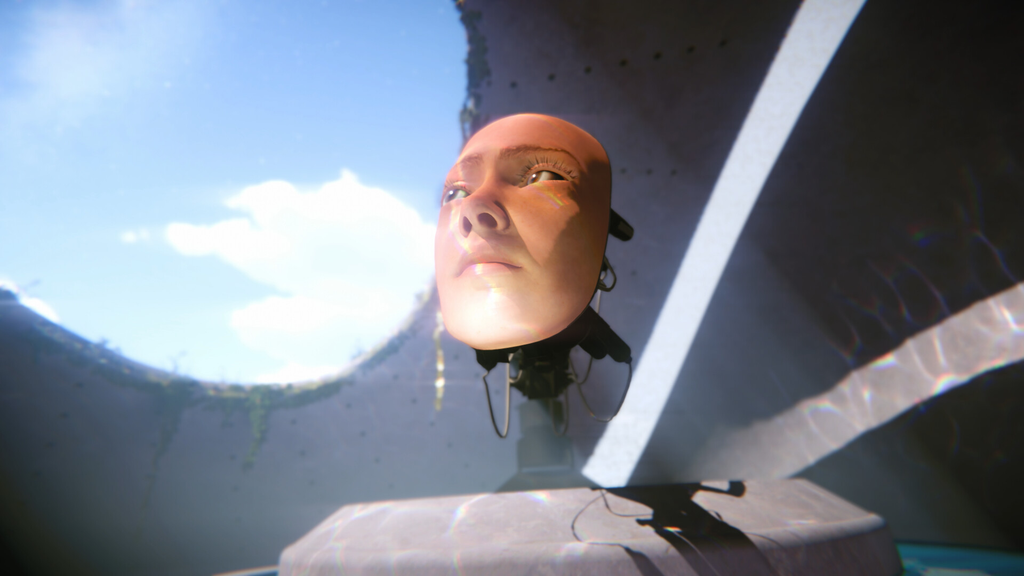
What makes “Prove You’re Human” particularly intriguing is its promise to deliver a “troubling voyage into the heart of artificial psyche.” The game’s developers appear to be tapping into contemporary anxieties about AI advancement, digital identity, and the nature of consciousness itself. As AI systems become increasingly sophisticated at mimicking human behavior and passing traditional verification tests, the philosophical implications become more pressing. The game seems poised to explore these themes through its unique gameplay mechanics, turning a quotidian frustration into a medium for deeper reflection.
The independent gaming scene has long served as a laboratory for experimental concepts that mainstream studios might consider too risky. Games like “Papers, Please,” which turned border checkpoint bureaucracy into compelling gameplay, or “Getting Over It,” which transformed frustration itself into an artistic statement, have demonstrated that unconventional premises can yield profound gaming experiences. “Prove You’re Human” appears to follow in this tradition of taking mundane or irritating aspects of modern life and recontextualizing them as interactive art. The game’s announcement has already generated significant buzz among indie gaming communities, with many praising its clever conceptual foundation.
The Future of Human-AI Interaction in Gaming
As artificial intelligence continues to advance at an unprecedented pace, games exploring the human-AI relationship become increasingly relevant. Recent developments in large language models and generative AI have sparked widespread public discourse about what it means to be human in an age of intelligent machines. “Prove You’re Human” arrives at a particularly apt moment, when millions of people worldwide are grappling with questions about AI’s role in society. By gamifying the very tool designed to distinguish humans from machines, the developers have created a premise that feels both timely and thought-provoking.
While specific details about gameplay mechanics, release date, and platforms remain limited, the concept alone has captured the imagination of gamers and technology enthusiasts alike. The game represents a fascinating example of how interactive media can transform our relationship with everyday digital experiences, turning sources of frustration into opportunities for reflection and engagement. Whether “Prove You’re Human” ultimately delivers on its intriguing premise remains to be seen, but its announcement alone demonstrates the continued creative vitality of the independent gaming scene and its willingness to find meaning in the most unexpected places.
Expert Opinion: This game arrives at a critical inflection point in our relationship with AI technology. As verification systems become increasingly sophisticated and AI capabilities continue to advance, the fundamental question of human identity in digital spaces grows more pressing. “Prove You’re Human” could potentially serve as an important cultural artifact that helps players process their anxieties about technological change while simultaneously entertaining them—a combination that the best indie games have always excelled at delivering.