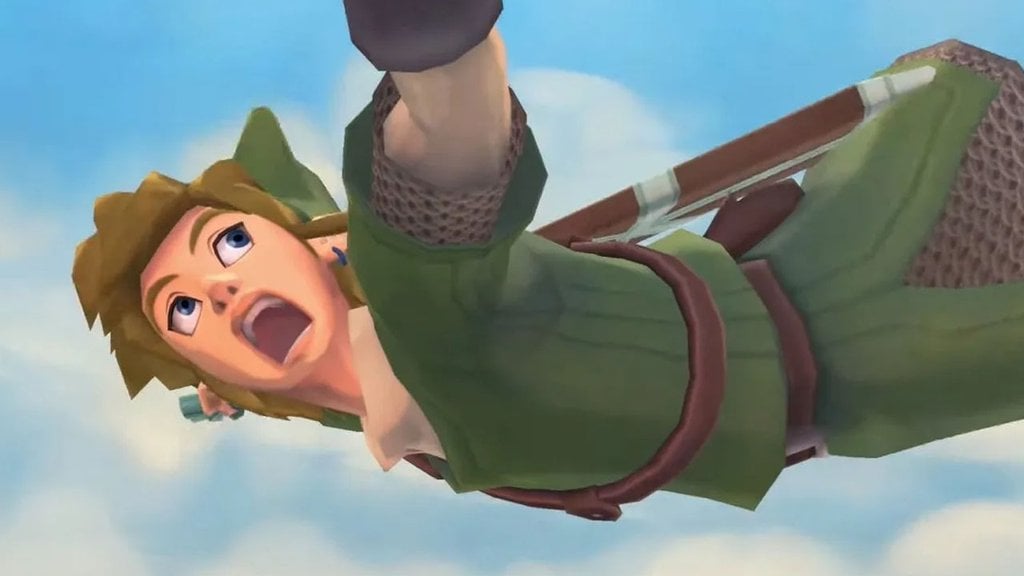
For countless fans of Nintendo’s beloved The Legend of Zelda franchise, the iconic Master Sword represents the ultimate symbol of heroism and adventure. However, one devoted fan recently discovered that real-world consequences await those who attempt to bring fantasy weaponry into everyday life. A Zelda enthusiast has been sentenced to four months in prison after being caught carrying a replica of Link’s legendary blade in public, serving as a stark reminder that video game props and reality don’t always mix well.
The case highlights the increasingly complex intersection between gaming culture, cosplay communities, and public safety laws. While millions of fans worldwide collect replica weapons from their favorite franchises, transporting these items in public spaces can lead to serious legal consequences, regardless of the owner’s innocent intentions.
The Incident and Legal Consequences
The incident occurred when authorities spotted the individual walking in a public area while openly carrying what appeared to be a dangerous weapon. Upon closer inspection, officers discovered it was a detailed replica of the Master Sword, the legendary blade wielded by protagonist Link throughout the Zelda series. Despite the fan’s likely protests that it was merely a collectible item, law enforcement proceeded with charges related to carrying a prohibited weapon in public. The court ultimately handed down a four-month prison sentence, demonstrating that authorities take such matters seriously regardless of the item’s fictional origins.
This case is far from isolated. Across Europe and North America, similar incidents have occurred where enthusiastic fans have faced legal troubles for carrying replica weapons from popular media franchises. In many jurisdictions, the law makes no distinction between a “real” weapon and a realistic replica when it comes to public carry restrictions. The visual impact and potential for causing public alarm are considered just as significant as any actual danger the object might pose.
Understanding Weapon Laws and Replica Restrictions
The legal framework surrounding replica weapons varies significantly between countries and even between regions within the same nation. In France, where this incident reportedly took place, carrying any object that resembles a weapon in public spaces can result in criminal charges. Similar laws exist throughout the European Union, the United Kingdom, and many parts of the United States. These regulations were implemented not only to prevent actual violence but also to avoid public panic and reduce the burden on emergency services responding to weapons-related calls.
The Master Sword, while fictional, is typically reproduced as a metal blade measuring approximately 90 centimeters in length. Even without a sharpened edge, such an object could potentially cause harm and certainly creates alarm among members of the public unfamiliar with gaming culture. Law enforcement officers responding to reports of someone carrying a sword cannot immediately distinguish between a dangerous individual and a harmless collector, forcing them to treat every situation as potentially life-threatening.
Gaming Culture Meets Legal Reality
The Legend of Zelda franchise has maintained its cultural significance since the original game’s release in 1986. Over nearly four decades, the series has sold over 140 million copies worldwide, creating generations of devoted fans who grew up dreaming of wielding the Master Sword themselves. The weapon holds special significance in gaming lore as the “Blade of Evil’s Bane,” capable of defeating the series’ primary antagonist, Ganon. This deep emotional connection explains why so many fans invest in high-quality replicas, though most understand these items should remain display pieces.
Cosplay communities and gaming conventions provide legal outlets for fans wishing to showcase their replica weapons. Events like Comic-Con, PAX, and Japan Expo have established clear guidelines for prop weapons, typically requiring peace-bonding (securing weapons so they cannot be drawn) and inspection by security personnel. These controlled environments allow enthusiasts to express their fandom safely while minimizing risks to public safety. The key lesson from this unfortunate case is that what’s acceptable within convention halls becomes illegal on public streets.
Expert Opinion: This case underscores a growing tension between expanding geek culture and existing public safety legislation that wasn’t designed with cosplayers in mind. As gaming and pop culture continue to mainstream, we can expect lawmakers to face increasing pressure to create clearer guidelines distinguishing between threatening behavior and harmless fandom expression. Until then, collectors should treat replica weapons with the same legal caution as real ones—keeping them secured at home or properly documented when traveling to designated events.