Global energy markets are bracing for significant price increases as leading analysts project a 25 percent rise in average oil prices by 2026. The forecast comes amid persistent supply deficits driven primarily by ongoing geopolitical tensions in the Middle East, which continue to disrupt production and shipping routes across one of the world’s most critical energy-producing regions. This anticipated price surge has far-reaching implications for global economies, consumer spending, and the broader energy transition currently underway.
The current market dynamics reflect a complex interplay of factors that have kept crude oil prices elevated throughout recent months. Supply constraints remain the dominant force, with Middle Eastern conflicts creating uncertainty around production levels and export capabilities. Major oil-producing nations in the region have faced intermittent disruptions, while shipping through crucial waterways such as the Strait of Hormuz and the Red Sea has become increasingly precarious. These logistical challenges have added risk premiums to oil prices that show no signs of dissipating in the near term.
Geopolitical Tensions Reshape Energy Markets
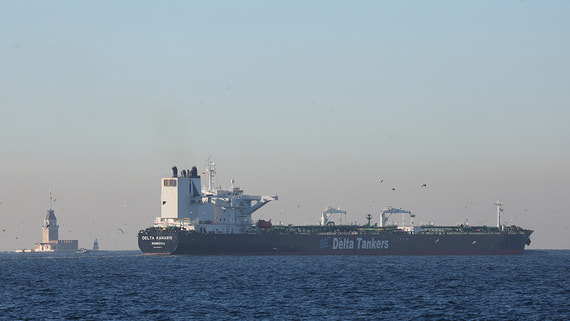
The Middle East has long served as the backbone of global oil supply, accounting for approximately one-third of worldwide crude production. Recent conflicts in the region have fundamentally altered market expectations and forced analysts to reassess their price projections. The ongoing tensions have not only affected direct production but have also created secondary effects throughout the supply chain. Insurance costs for tankers traversing the region have skyrocketed, while some shipping companies have opted for longer alternative routes around the Cape of Good Hope, adding significant transportation costs and delivery delays.
Historical precedent suggests that Middle Eastern conflicts typically produce sustained impacts on oil markets. The 1973 oil embargo, the Iranian Revolution of 1979, and the Gulf Wars all triggered substantial price spikes that persisted well beyond the immediate crisis periods. Current circumstances appear to follow a similar pattern, with market participants pricing in extended uncertainty. OPEC+ members have maintained relatively cautious production policies, balancing their desire for stable revenues against concerns about demand fluctuations in major consuming economies like China and the European Union.
Supply Deficit Drives Market Fundamentals
Beyond geopolitical factors, fundamental supply-demand imbalances continue to support higher price expectations. Global oil demand has proven remarkably resilient despite economic headwinds in various regions. Developing economies in Asia and Africa continue to increase their energy consumption as industrialization progresses, while developed nations have been slower than anticipated in reducing their fossil fuel dependence. Meanwhile, years of underinvestment in new exploration and production projects following the 2014-2016 price collapse have limited the industry’s ability to respond quickly to increased demand.
The investment gap in upstream oil and gas projects represents a structural challenge that cannot be resolved quickly. Major international oil companies have redirected capital toward renewable energy projects and shareholder returns, reducing their traditional role as suppliers of last resort. This shift, while environmentally motivated, has contributed to tighter market conditions. Industry experts estimate that bringing new major oil fields online requires lead times of seven to ten years, meaning that current investment decisions will shape supply availability well into the next decade.
Economic Implications and Global Response
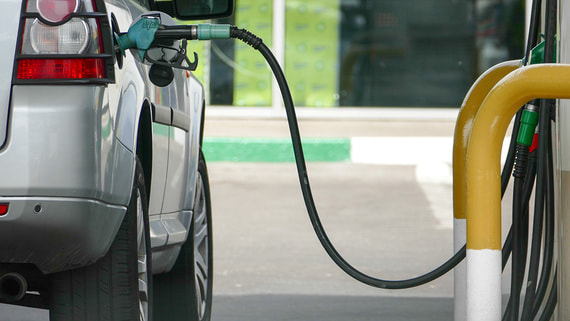
A 25 percent increase in average oil prices would have profound consequences for the global economy. Consumer nations would face higher transportation and heating costs, potentially reigniting inflationary pressures that central banks have worked diligently to contain. Emerging market economies with significant oil import dependencies could experience balance of payment difficulties and currency pressures. Conversely, oil-exporting nations would benefit from increased revenues, potentially reshaping global capital flows and investment patterns.
The projected price increase may accelerate the transition to renewable energy sources, as higher fossil fuel costs improve the competitive position of solar, wind, and electric vehicle technologies. However, this transition remains gradual, and global dependence on oil for transportation, petrochemicals, and industrial processes ensures continued demand for years to come. Policymakers worldwide are closely monitoring these developments, weighing energy security concerns against climate commitments and economic stability objectives.
Expert Opinion: The combination of persistent geopolitical instability and structural underinvestment in oil production creates conditions for sustained price elevation through 2026 and potentially beyond. Market participants should anticipate heightened volatility as supply concerns compete with demand uncertainties, while the energy transition may receive unexpected acceleration from prolonged high prices. Strategic petroleum reserve policies and diversification of energy sources will become increasingly critical for import-dependent economies navigating this challenging landscape.