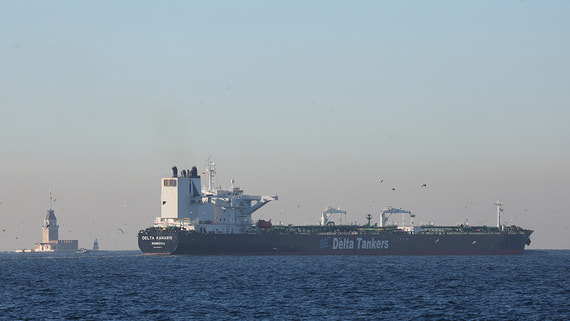
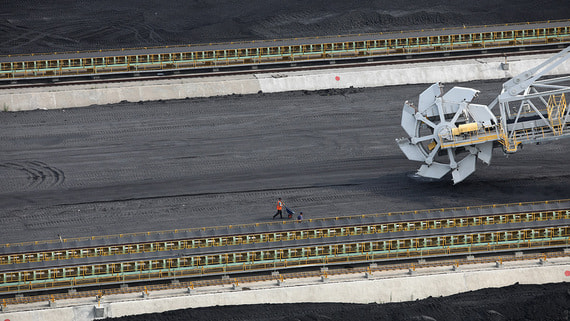
Russia has recorded a significant increase in coal exports during the first seven months of 2024, with shipments rising by 7% compared to the same period last year. This growth comes as the country’s coal industry benefits from improving price conditions on global markets and sustained strong demand from key importing nations in Asia, particularly India and Southeast Asian countries. The uptick represents a notable recovery for Russia’s coal sector, which has faced considerable challenges in recent years due to Western sanctions and shifting global energy dynamics.
Favorable Market Conditions Drive Export Growth
The improvement in Russia’s coal export performance can be attributed to several interconnected factors that have created favorable conditions for producers. Global coal prices have stabilized and shown modest recovery after the extreme volatility witnessed in 2022 and 2023, providing Russian exporters with better profit margins despite increased transportation costs. The benchmark Newcastle coal price and other Asian indices have remained at levels that make Russian coal competitive, even when factoring in longer shipping routes necessitated by the redirection of trade flows away from European markets.
Russia’s coal industry has demonstrated remarkable adaptability in reconfiguring its logistics networks over the past two years. Following the European Union’s ban on Russian coal imports that took effect in August 2022, Russian producers have invested heavily in expanding eastward transportation capacity. The country has accelerated upgrades to the Baikal-Amur Mainline (BAM) and Trans-Siberian Railway, critical arteries for moving coal from Siberian mines to Pacific ports. These infrastructure improvements have gradually alleviated bottlenecks that previously constrained export volumes to Asian markets.
India and Southeast Asia Emerge as Primary Markets
India has emerged as the single most important destination for Russian coal exports, with the South Asian giant’s voracious appetite for energy resources showing no signs of abating. India’s coal imports from Russia have grown substantially as the country seeks to diversify its energy supply sources while meeting the demands of its rapidly expanding economy. Indian power utilities and steel manufacturers have found Russian coal attractive due to competitive pricing, with discounts offered relative to Australian and Indonesian alternatives. The Indian government’s ambitious industrialization plans and growing electricity consumption continue to drive demand for thermal coal, despite long-term commitments to renewable energy expansion.
Southeast Asian nations have similarly increased their purchases of Russian coal, with countries like Vietnam, Thailand, and the Philippines emerging as significant buyers. These economies are experiencing robust industrial growth and urbanization, creating sustained demand for affordable energy sources. Many Southeast Asian countries operate coal-fired power plants that require consistent fuel supplies, making Russian coal an attractive option given its competitive pricing and reliable availability. Indonesia, traditionally a major coal exporter itself, has also seen some of its domestic consumers turn to Russian imports for specific coal grades.
Challenges and Long-Term Outlook for Russian Coal
Despite the positive export figures, Russia’s coal industry continues to face significant structural challenges that could impact long-term prospects. Western sanctions have complicated financing, insurance, and shipping arrangements for Russian coal cargoes, forcing producers to rely more heavily on alternative service providers and payment systems. The industry has also experienced some difficulties in sourcing mining equipment and spare parts, though domestic production and imports from China have partially offset these constraints. Transportation costs remain elevated compared to pre-2022 levels due to longer shipping distances and capacity limitations on eastern rail routes.
Looking ahead, the trajectory of Russian coal exports will depend heavily on several key variables. Global climate policies and the pace of energy transition in major importing countries will influence long-term demand patterns. China, the world’s largest coal consumer, has shown varying import levels depending on domestic production and policy decisions. Meanwhile, competition from other major exporters, including Australia, Indonesia, and South Africa, remains intense. Russian producers are betting that continued investment in logistics infrastructure and competitive pricing will help maintain their market position, even as the global energy landscape continues to evolve toward cleaner alternatives.
Expert Opinion: The 7% growth in Russian coal exports demonstrates the resilience of global fossil fuel trade despite decarbonization efforts and geopolitical disruptions. However, this recovery may prove temporary as Asian economies gradually implement stricter emissions standards and expand renewable energy capacity. The critical factor to watch is whether Russia can maintain price competitiveness once current infrastructure expansion projects reach their limits, particularly given mounting pressure on global shipping and insurance markets to reduce exposure to Russian commodities.