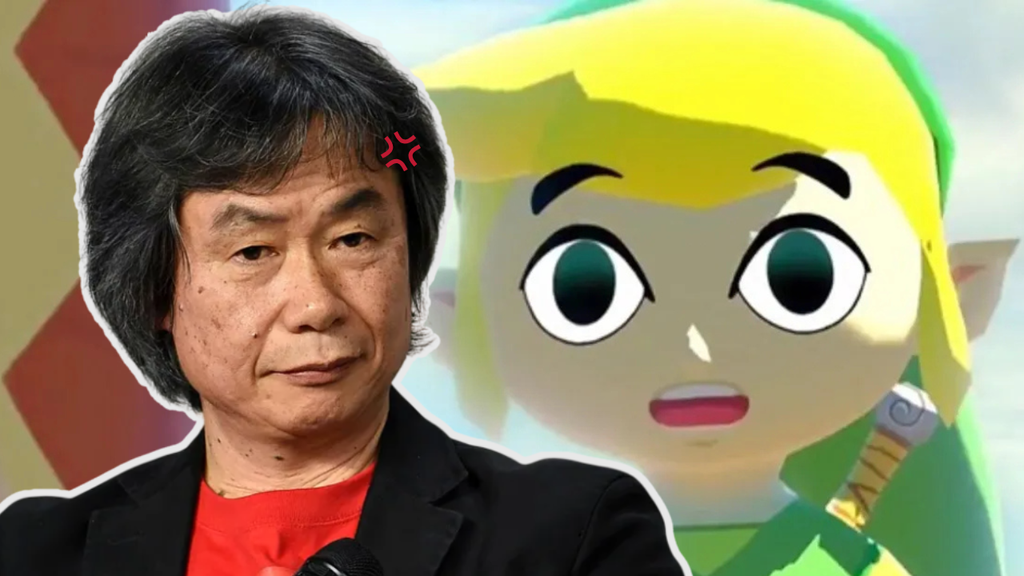
Imagine rejecting one of the greatest masterpieces of the 2000s. That’s exactly what Shigeru Miyamoto, the legendary father of The Legend of Zelda franchise, did with an episode that has since become iconic in gaming history. Convinced that the saga needed to take a more mature, realistic direction, the visionary creator completely opposed the artistic choices that would eventually define one of the most beloved entries in the entire series. This fascinating story reveals how even the greatest minds in game development can misjudge their own creations, and how creative disagreements can sometimes lead to unexpected brilliance.
The Wind Waker Controversy: A Bold Artistic Gamble
The game in question is none other than The Legend of Zelda: The Wind Waker, released in 2003 for the Nintendo GameCube. When the development team, led by director Eiji Aonuma, presented their vision for the new Zelda title, Miyamoto was reportedly shocked by the cel-shaded, cartoon-like art style. After the darker, more realistic tones of Ocarina of Time and Majora’s Mask on the Nintendo 64, Miyamoto believed that players expected the franchise to continue evolving toward photorealistic graphics. The creator famously expressed his concerns that the childlike aesthetic would alienate the core audience and that the game simply wouldn’t sell.
Miyamoto’s skepticism wasn’t entirely unfounded from a market perspective. At the time, the gaming industry was experiencing a significant shift toward more mature content, with titles like Grand Theft Auto and Halo dominating sales charts. The idea of releasing a major franchise entry with visuals resembling a Saturday morning cartoon seemed counterintuitive to many industry observers. Initial fan reactions to Wind Waker’s reveal trailer were mixed at best, with some longtime Zelda enthusiasts expressing disappointment over the departure from the realistic style teased in earlier GameCube tech demos.
A Timeless Masterpiece That Proved Everyone Wrong
Despite the initial resistance, The Wind Waker went on to become one of the most critically acclaimed games in the entire Zelda franchise. The cel-shaded graphics that Miyamoto feared would doom the project actually became its greatest strength, creating a timeless visual style that has aged remarkably well compared to many of its contemporaries from the same era. While other games from 2003 now look dated with their blocky polygons and muddy textures, Wind Waker’s artistic direction remains visually stunning more than two decades later. The game sold over 4.6 million copies worldwide and received near-universal critical praise, with many publications awarding it perfect scores.
The success of Wind Waker demonstrates an important lesson about artistic vision in game development. Eiji Aonuma and his team stood by their creative choices despite pressure from above, and their persistence paid off spectacularly. The game introduced beloved mechanics like sailing across a vast ocean, commanding the wind itself, and exploring a flooded version of Hyrule that added layers of mystery to the franchise’s lore. Nintendo eventually released an HD remaster for the Wii U in 2013, introducing the game to a new generation of players and further cementing its legacy as a genre-defining adventure.
Miyamoto’s Humility and the Evolution of Creative Leadership
To his credit, Shigeru Miyamoto has openly acknowledged his initial misjudgment regarding Wind Waker over the years. This willingness to admit error speaks to the collaborative nature of Nintendo’s development culture, where even the company’s most influential figure doesn’t always have the final word on creative decisions. Miyamoto’s role at Nintendo has evolved significantly since the early 2000s, shifting from hands-on game director to more of a creative consultant and mentor for younger developers. This transition has allowed fresh perspectives to flourish within the company while still benefiting from Miyamoto’s decades of experience and wisdom.
The Wind Waker story serves as a powerful reminder that innovation often faces resistance, even from those who have built their careers on groundbreaking creativity. Miyamoto himself revolutionized gaming with Super Mario Bros. and the original Legend of Zelda in the 1980s, proving that unconventional ideas can reshape entire industries. Yet even pioneers can become attached to certain expectations about what their creations should look like. The gaming community ultimately benefited from the creative tension between Miyamoto’s vision and Aonuma’s artistic direction, resulting in a game that continues to inspire developers and delight players around the world today.
Expert Opinion: The Wind Waker controversy illustrates a fundamental truth about creative industries: commercial instincts and artistic innovation don’t always align, and sometimes the boldest choices yield the most enduring results. As gaming continues to mature as a medium, we’ll likely see more examples where stylized, distinctive art directions outlast technically impressive but generic visuals. The lesson for modern developers is clear – betting on unique artistic identity often proves more valuable than chasing contemporary graphical trends.